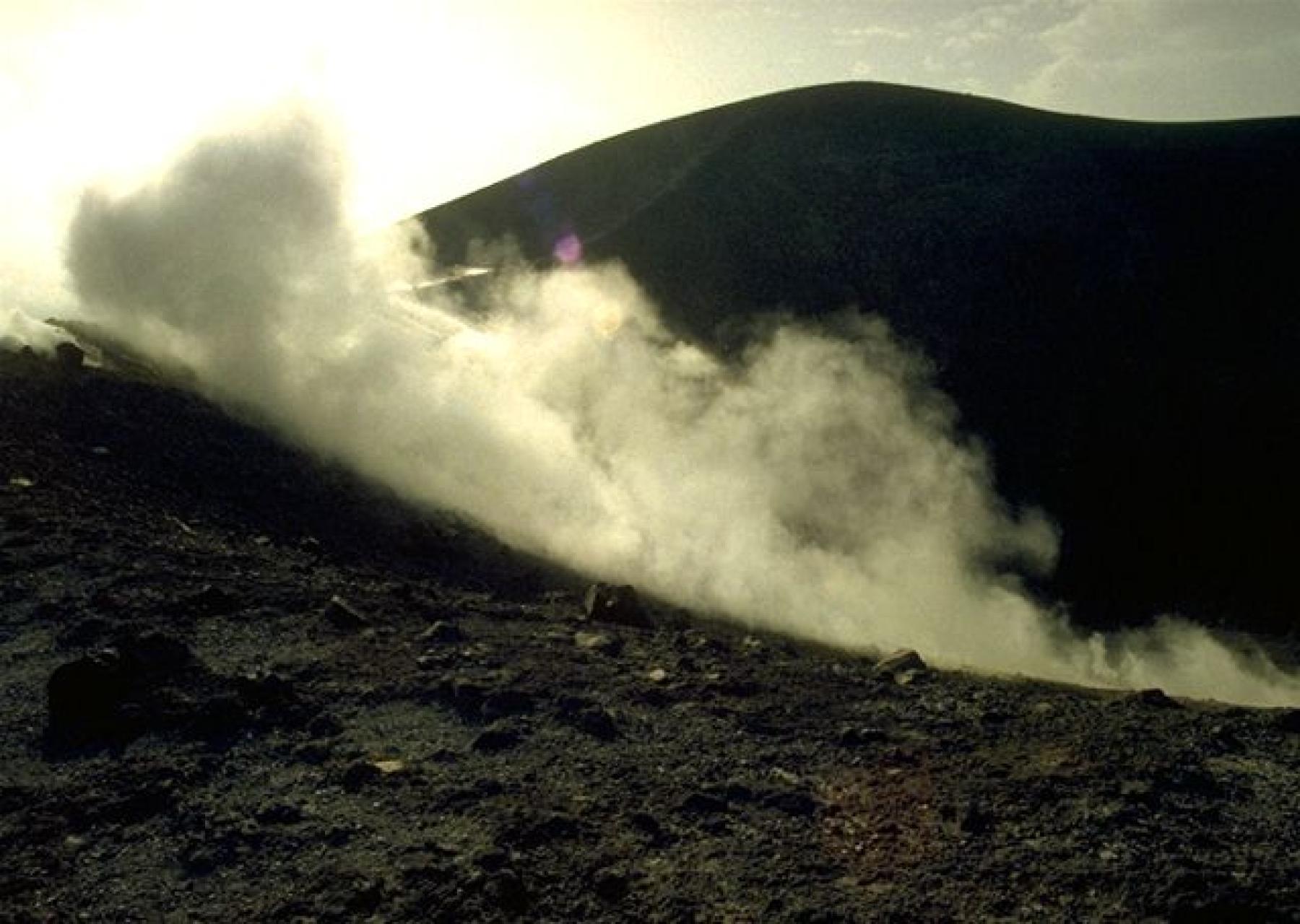
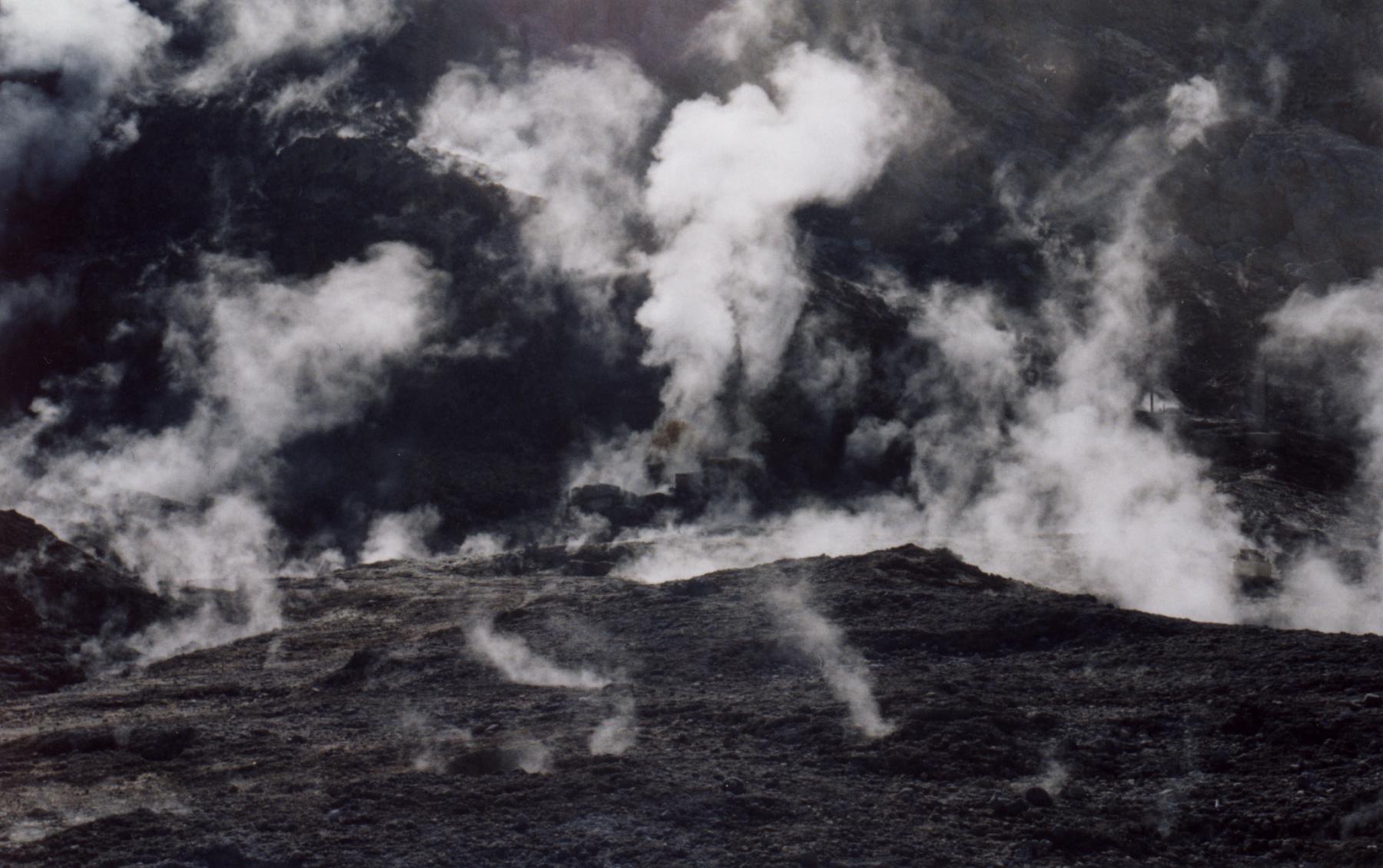
On the outskirts of Naples, in the heart of the Phlegraean Fields, the Solfatara is an active volcanic crater whose fumaroles, sulphurous emissions and ground movements caused by bradyseism have fascinated people since Antiquity. The Romans called it Forum Vulcani, the domain of Vulcan, god of fire and the forge. This volcanic region, whose name means “burning fields”, has long been associated with subterranean forces, prophecies and the underworld. Nearby, Lake Avernus was believed to be an entrance to the Underworld, while the Sibyl of Cumae, the famous prophetess of Apollo, guided Aeneas on his descent into the realm of the dead, as recounted by Virgil in the Aeneid. The Solfatara is also linked to the history of San Gennaro, the patron saint of Naples, who, according to tradition, was martyred there in the early fourth century.
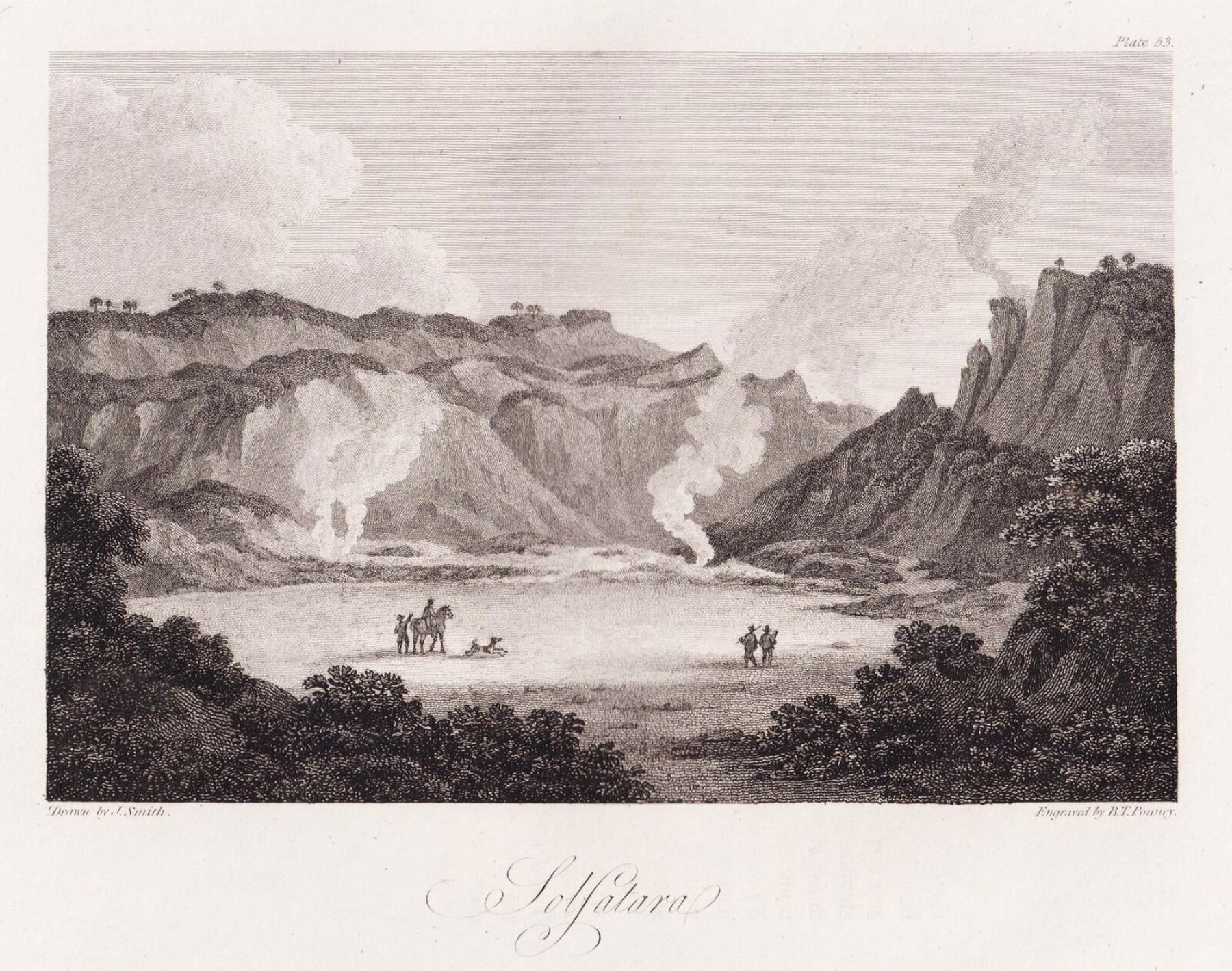
From the 18th century onwards, the Solfatara became an essential stop on the Grand Tour, the educational journey through Italy undertaken by European artists, writers and aristocrats. The volcanic landscapes of the Phlegraean Fields, the ancient ruins of Pompeii and Herculaneum, and the proximity of Mount Vesuvius fuelled their fascination with the origins of the world and the forces of nature. In 1787, Goethe visited the Solfatara and described the experience in his Italian Journey. Over the centuries, painters, printmakers and writers helped establish the region as an emblematic place in the European imagination, where history, mythology and natural phenomena converge.
In 1988, Johan Creten came close to death. Against all expectations, he survived. To regain his strength and rediscover his appetite for life, he joined Jean-Michel Othoniel in Naples. On the night of December 31, the two young artists wandered through a city in celebration, where, according to a local tradition, residents threw unwanted objects out of their windows, symbolically casting away the misfortunes of the past year. For them, that night became the symbol of a new beginning: forgetting yesterday in order to live tomorrow.
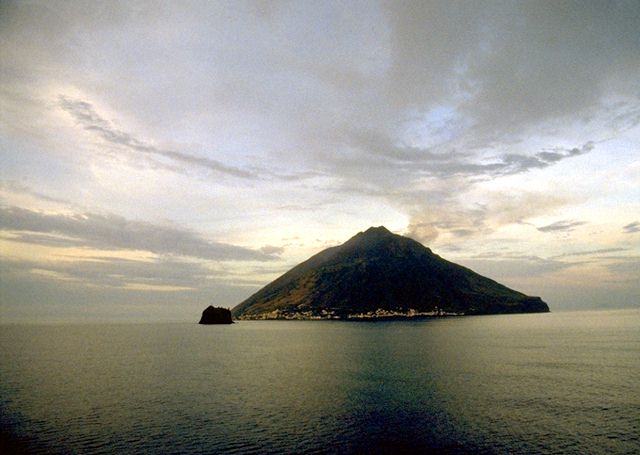
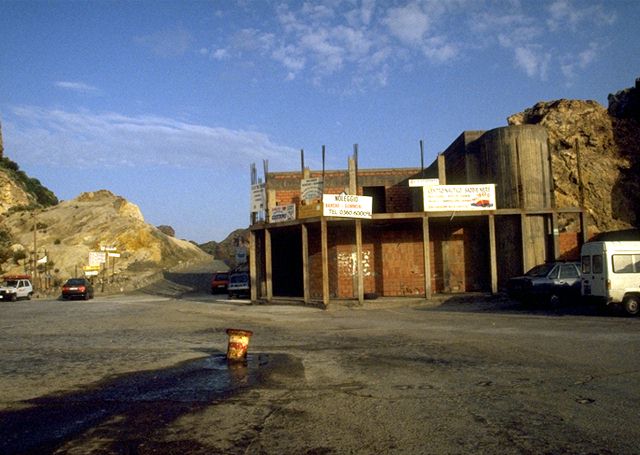
This stay proved to be a defining experience. The two artists discovered a city where life and death, desire and pain, beauty and violence constantly coexist. Naples, a city of contrasts and transformations, would leave a lasting mark on their artistic journeys. Their respective works would continue to engage with this world, in which matter and its transformation play a central role: sulphur, fire, earth, glass, pearls, blood and the human body. With its volcanic activity and mythological associations, the Solfatara became a symbol of their shared fascination with transformation, fragility and rebirth.
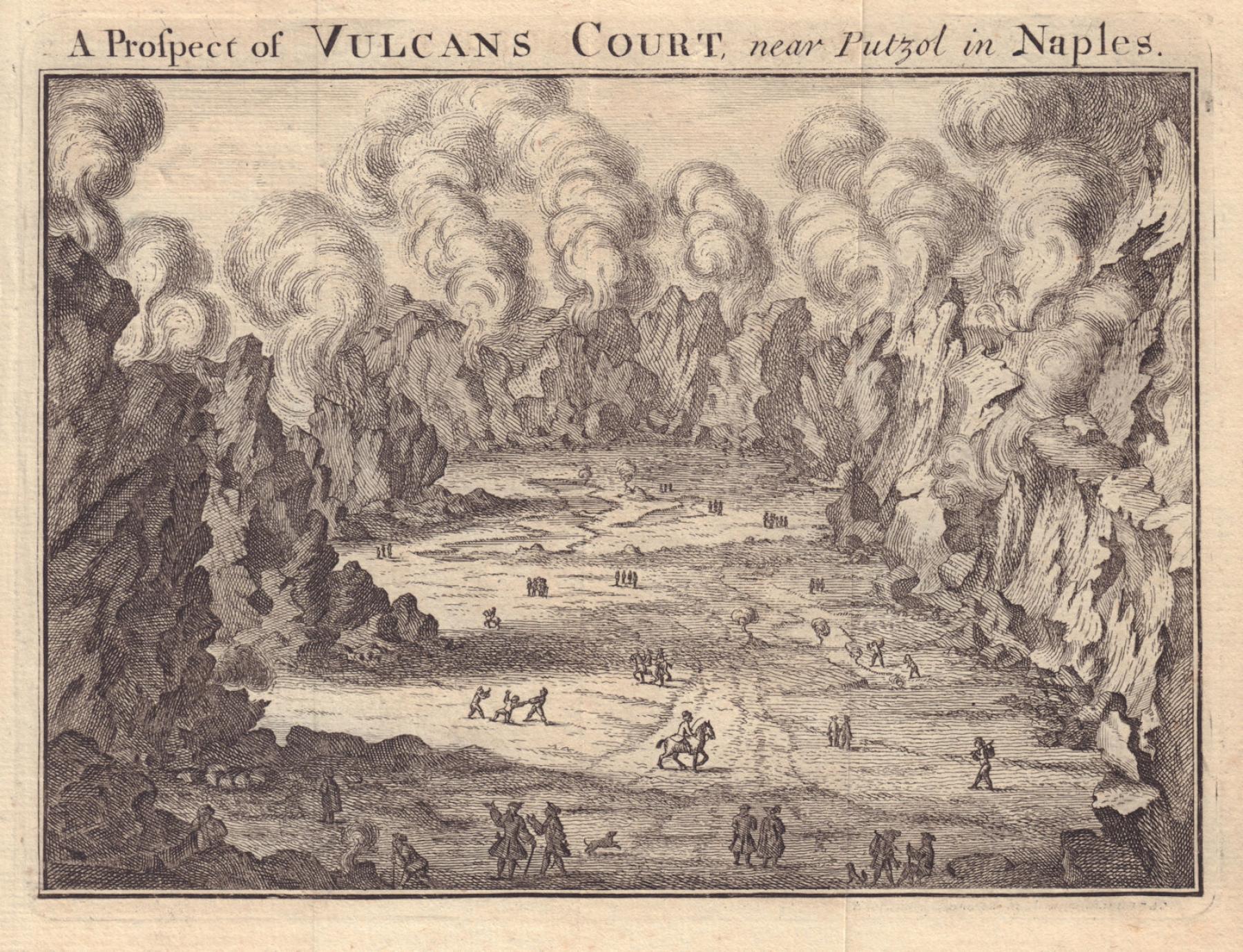
It is in reference to this place, rich in history, and to this decisive journey that LA SOLFATARA was born in Montreuil. By giving this name to their studios and spaces for exhibitions and encounters, Johan Creten and Jean-Michel Othoniel root their project in a shared history, where artistic creation is inseparable from experimentation and transformation. A place to think, create, exchange ideas and share knowledge, where artistic practices come together and new ideas can take shape.